
Choosing the right house clearance service requires asking key questions to select a trustworthy provider. Whether clearing a family home or managing commercial property clearance, consider these five essential questions to make an informed decision about house clearance services in London and Essex. Topics include specific services offered, pricing, customer feedback, insurance coverage, and scheduling. Knowing these details helps ensure you find a service that suits your needs.
What specific services do you offer for house clearance, and do they include specialised handling for hazardous materials?
House clearance companies provide various services tailored to client requirements. These typically include domestic house clearance, commercial waste removal, and specialised handling of hazardous materials such as asbestos, chemicals, and electronics. Confirm if the company is equipped to manage particular waste types, as improper disposal of hazardous materials can have serious environmental and legal consequences.
Look for providers with a focus on responsible disposal and recycling practices, following UK waste regulations to minimise environmental impact.
Can you provide a detailed breakdown of your pricing structure, including any potential additional fees?
Understanding pricing helps avoid unexpected costs. Request a comprehensive breakdown detailing base charges and any possible additional fees during clearance. Key pricing factors include volume and types of waste, whether hazardous or general, access difficulties, and any special requirements.
Transparent pricing fosters trust and clarity on financial expectations. Always compare quotes carefully and ask about fee inclusions or exclusions.
What do customer reviews say about your services, and can you provide references or testimonials?
Reviewing customer feedback is essential to assess reliability and service quality. Look for testimonials addressing professionalism, punctuality, thoroughness, and overall satisfaction. Past clients’ opinions offer valuable insights into strengths and potential issues that may affect your experience.
Reputable companies value client satisfaction and respond constructively to feedback.
Do you have insurance coverage for your services, and what does it include?
Insurance coverage protects both provider and client. Ask about liability insurance covering damage during clearance and employers’ liability insurance for workers’ protection. Adequate insurance reflects a company’s commitment to responsible and professional service delivery.
Always confirm a provider holds appropriate insurance before work begins to safeguard your interests.
What is the expected timeframe for completion of the clearance, and how do you handle scheduling?
Clear timelines help plan effectively, especially with deadlines. Completion time depends on waste volume, property accessibility, and job complexity. Reliable providers communicate scheduling clearly and update clients on any changes to ensure smooth coordination.
Discuss timing expectations upfront to avoid misunderstandings.
How Can You Verify Licences and Insurance for House Clearance Providers?
Verifying licences and insurance is crucial to ensure compliance and legitimacy. Registered waste carriers in the UK must have a valid waste carrier licence issued by the Environment Agency. To verify a provider’s licence:
- Visit the Environment Agency’s public register at the official website.
- Search by company name or waste carrier registration number.
- Check the status and expiry date of the licence.
- Confirm the types of waste the company is authorised to carry.
A valid registration typically appears as ‘Registered’ or ‘Licensed’ with up-to-date details. If a company cannot provide licence information or you cannot verify it online, consider this a red flag.
What Licence Types Must Licensed Waste Carriers Hold in London and Essex?
Waste carriers in England register with the Environment Agency across two tiers:
- Lower Tier: For those carrying only their own waste, as well as certain bodies like charities.
- Upper Tier: For businesses carrying, buying, selling, or disposing of others’ waste, which applies to most house clearance firms.
Always verify that your provider is registered at the appropriate tier for your specific clearance needs.
Why Is Insurance Coverage Critical for Professional Waste Disposal Services?
Insurance mitigates risks linked to waste disposal. Liability insurance protects clients against accidental property damage or injury during clearance. Employers’ liability insurance covers staff in case of workplace injury. Lack of insurance may expose clients to unforeseen costs and liabilities. For more information, visit our services.
Selecting insurers with proper coverage demonstrates professionalism and responsibility.
What Are the Typical Cost Factors and Pricing Transparency in House Junk Clearance?
Key cost drivers include waste volume, material types, special handling requirements, job complexity, and access. Transparency in pricing ensures clients are aware of all potential charges upfront, enabling accurate budgeting and fair comparisons among service providers.
Always seek detailed, written quotes specifying inclusions and exclusions.
Which Factors Influence Home Rubbish Removal Costs in London?
Costs vary based on:
- Volume of Items: Larger quantities require more labour and disposal effort.
- Type of Waste: Hazardous or bulky items may incur additional fees.
- Accessibility: Difficult access increases labour time and equipment needs.
Understanding these helps plan your budget accordingly.
How to Compare Pricing Structures for Commercial Waste Clearance in Essex?
When comparing commercial waste clearance prices:
- Request comprehensive quotes covering all service aspects and possible extra fees.
- Evaluate service packages including disposal, recycling, and cleanup.
- Consider long-term arrangements offering discounts or reliable scheduling.
Thorough comparison assists in selecting cost-effective, suitable providers.
How Do House Clearance Companies Manage Recycling and Waste Disposal Environmentally?
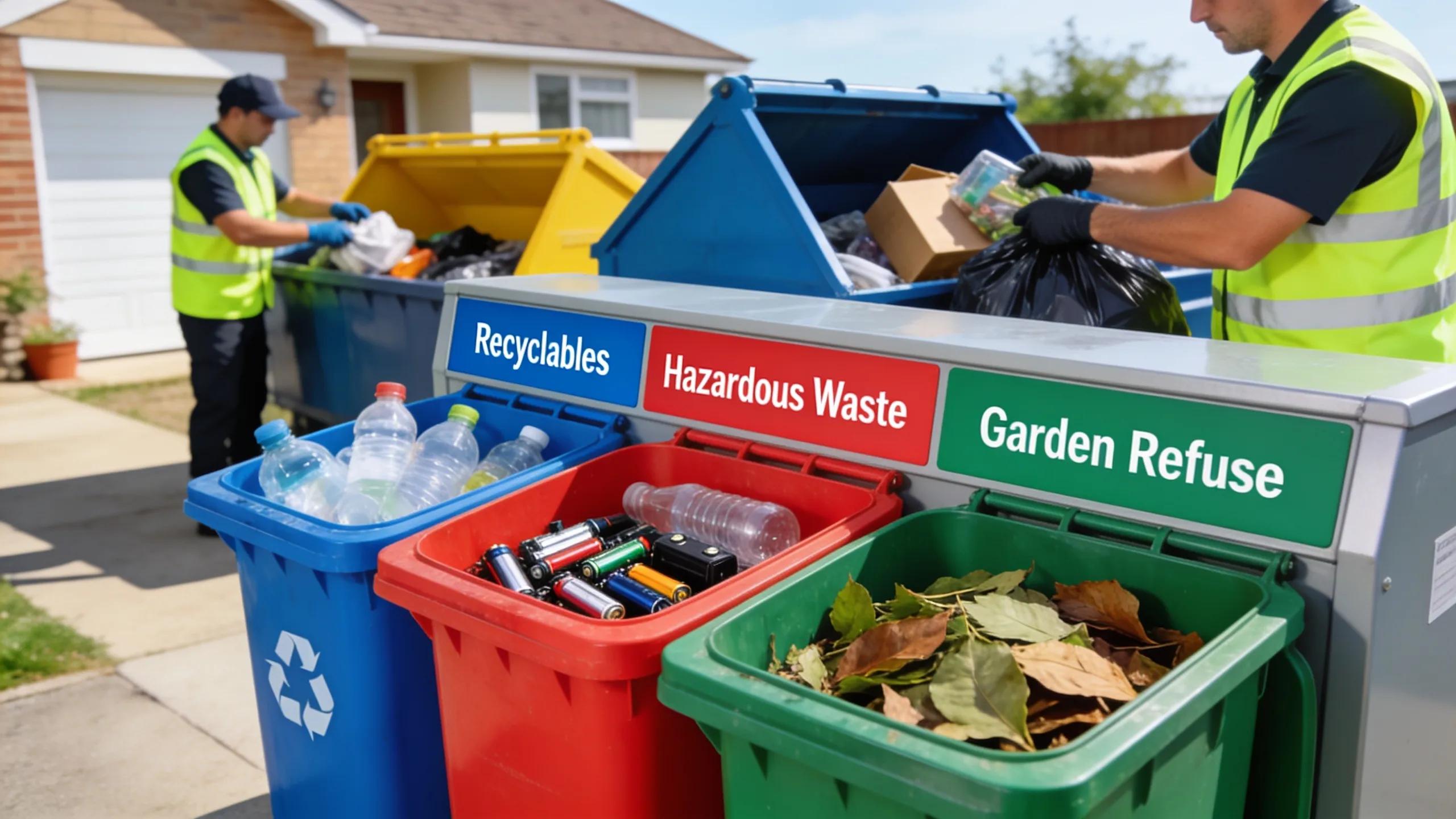
Effective waste management companies implement strict protocols prioritising recycling and eco-friendly disposal to reduce landfill. They segregate waste streams and divert recyclable materials appropriately, adhering to government waste strategy targets for sustainability. For more information about our offerings, visit our services.
Clients should ask providers about their recycling policies and certifications to assess environmental responsibility.
What Percentage of Waste Is Recycled in Domestic Waste Collection London Services?
Recycling rates vary by provider and local authorities, generally aiming to meet or exceed government targets. Clients should seek information from providers on recycling performance and practices.
How Are Garden Waste and Other Categories Segregated and Disposed?
Garden waste such as branches, leaves, and grass clippings is typically composted or used for biomass energy. Waste clearance teams separate these from general waste, in compliance with regulations, to maximise resource recovery and reduce landfill.
What Service Scope and Timing Can Clients Expect from Licensed Waste Clearance in London and Essex?
Licensed waste clearance providers offer comprehensive services including removal, cleaning, and correct segregation of waste. Timelines depend on job scale and logistics; clear communication about expected duration and scheduling ensures coordinated arrangements.
Clients should discuss specific requirements and confirm scheduling flexibility before booking.
Which Areas Are Covered by Professional Waste Disposal Services Locally?
Providers typically service defined regions within London and Essex, and sometimes surrounding areas. Confirm coverage zones beforehand to ensure your property falls within the serviceable area to avoid delays or additional charges.
How Are Scheduling and Clearance Times Managed for Commercial and Domestic Clients?
Professional clearance companies provide flexible scheduling matching client preferences and operational efficiency. They communicate clearly about timing, handle any delays proactively, and accommodate access or logistical considerations for smooth service.
Ensure your provider prioritises responsiveness and clear dialogue to support a positive experience.
What Can and Cannot Be Cleared: Common Items Table
| Category | Standard Clearance Items | Items Requiring Special Handling | Reason/Note |
|---|---|---|---|
| Furniture | Chairs, tables, sofas | Mattresses with pest infestations | Health and safety concerns; disposal regulations |
| Electricals | Small appliances, lamps | Fridges, freezers, TVs, batteries | Contain hazardous substances; require specialised recycling |
| Hazardous Waste | None | Paints, solvents, asbestos materials, chemicals | Regulated for health and environmental reasons; licensed disposal needed |
| Garden Waste | Branches, leaves, grass clippings | Treated wood, diseased plants | May contain harmful substances; need separate processing |
| General Waste | Household rubbish, packaging | Clinical waste, sharps | Strict controls due to health risks |
Clearance Day Prep Checklist
- Access and Parking: Ensure clear access for vehicles and workers, with parking arrangements if needed.
- Sorting: Separate items to keep from those to be cleared to prevent accidental disposal.
- Valuables: Remove or secure personal valuables to avoid loss or damage.
- Hazardous Items: Identify and segregate hazardous materials to inform the provider in advance.
- Communication: Provide contact details and instructions for onsite team coordination.
Preparing well enhances efficiency and safety during clearance.
About Spalls Waste
Spalls Waste is a family-run sub-brand of Spalls Group, which has over 45 years of industry experience. Serving London, Essex, and surrounding areas, Spalls Waste offers waste management and house/commercial clearance services. For more information, visit spallswaste.co.uk.
Contact Spalls Waste
For professional waste clearance services or enquiries, please visit spallswaste.co.uk to get in touch.
